
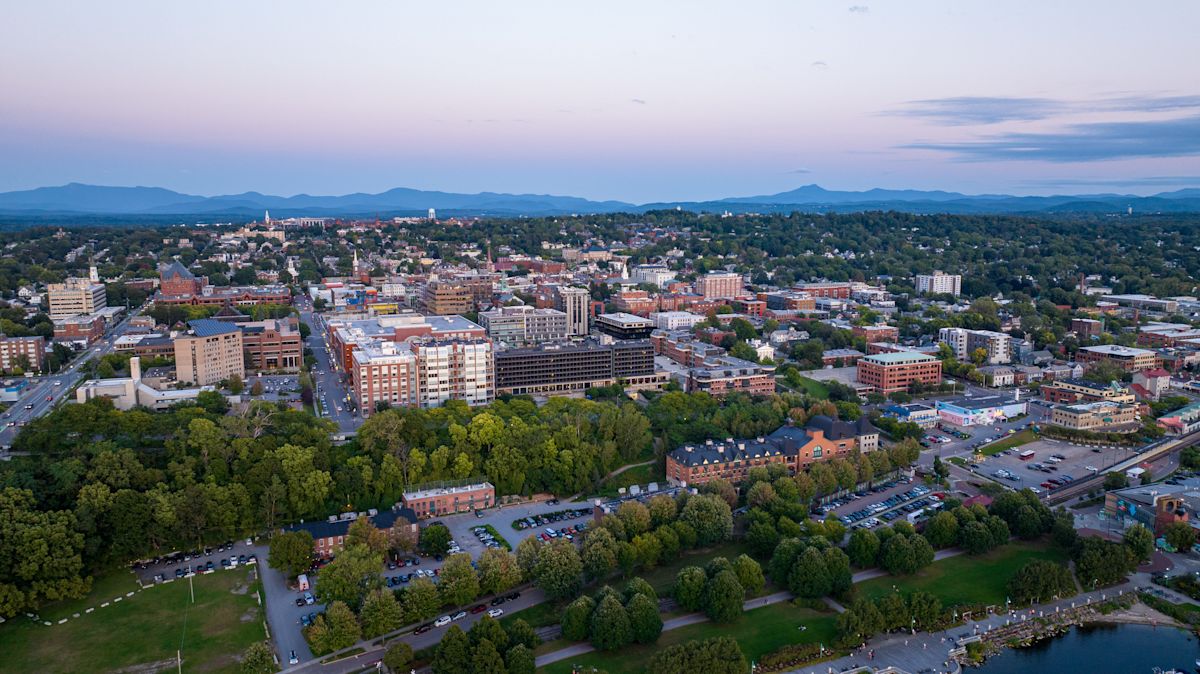
Vermont made notable progress in the national pursuit of life satisfaction this year, climbing seven positions to claim the No. 22 spot in a newly released 2026 assessment of the happiest states in America. The study, published annually by the personal finance platform WalletHub, evaluated all 50 states across a diverse spectrum of lifestyle, economic, and health metrics to determine where Americans experience the highest quality of life.
While the Green Mountain State showed measurable momentum compared to its 29th-place ranking in 2025, it ultimately fell short of securing a place within the top ten. Hawaii secured the top position nationwide as the happiest state, followed closely in the upper echelon by New Jersey in second, Utah in third, Idaho in fourth, and Maryland rounding out the top five.
The remainder of the top ten featured a mix of regions across the country, with Nebraska ranking sixth, Connecticut seventh, Minnesota eighth, California ninth, and Vermont’s New England neighbor, New Hampshire, taking the tenth position. The annual report serves as a benchmark for how state-level conditions impact resident well-being during an era defined by broad social and financial challenges.
The findings arrive against a backdrop of widespread economic uncertainty that continues to affect households across the country. Drawing on survey findings from Gallup, the WalletHub report highlighted that only 44% of Americans currently consider themselves "very satisfied" with their lives. The research indicates that individual contentment remains deeply intertwined with interconnected factors including physical health, employment stability, personal relationships, and everyday financial security.
To quantify contentment across the country, WalletHub constructed its ranking system by analyzing data across multiple core dimensions. The framework centered on emotional and physical well-being, work environment quality, financial security, community life, safety, and access to leisure opportunities.
Vermont’s overall ranking of No. 22 reflects a blend of exceptional performance in civic and employment measures alongside more moderate health outcomes. In the study's major subcategories, Vermont earned high marks by placing No. 7 in community and environment and No. 9 in work environment. However, the state’s overall score was tempered by a lower finish in the emotional and physical well-being category, where it ranked No. 31 nationwide.
Despite this lower health placement, Vermont stood out as the top-performing state in several specific lifestyle and daily routine indicators. Most notably, the state earned the No. 1 ranking in the entire country for its adequate-sleep rate. It also led the nation by securing first place for its sports participation rate, reflecting an active and engaged populace.
Safety and work-life balance emerged as additional standout pillars for Vermont. The Green Mountain State ranked first among all 50 states for overall safety, underscoring its secure community environment. Additionally, it placed second nationwide for having the fewest mean work hours, demonstrating a favorable balance between professional demands and personal time.
Vermont also posted strong results on labor market stability metrics. The state tied with South Dakota, Hawaii, and Montana for the second-lowest long-term unemployment rate in the country, demonstrating consistent workforce resilience.
On the comprehensive 50-state roster, Vermont—home to municipalities such as Burlington, Montpelier, and Stowe—was positioned directly behind Florida at No. 21 and immediately ahead of Kansas at No. 23. Other states in the middle tier included South Dakota at No. 24, Pennsylvania at No. 25, Illinois at No. 26, Wisconsin at No. 27, Delaware at No. 28, Rhode Island at No. 29, and Montana at No. 30.
Demographic and economic benchmarks compiled by the U.S. Census Bureau provide important background for Vermont's rankings. As of July 2025, the state's population was estimated at approximately 644,600 residents across roughly 273,400 households, with an average of 2.28 individuals per household. Census figures also recorded a median household income of $81,203 between 2020 and 2024.
Analyzing the broader findings of the study, WalletHub analyst Chip Lupo explained that high-ranking states typically provide well-rounded infrastructure and environments that support daily living. Lupo noted that the happiest states succeed by providing an above-average quality of life across multiple areas, ranging from strong economies and quality healthcare systems to adequate leisure time and favorable climate conditions.
Lupo also addressed the relationship between personal finances and overall happiness, emphasizing that economic stability functions as a necessary foundation rather than a sole determinant of contentment. He explained that while the traditional adage that money cannot purchase happiness holds validity, securing sufficient income to live comfortably remains vital. However, he noted that financial gains beyond that baseline rarely elevate happiness as effectively as rewarding personal relationships, fulfilling hobbies, and opportunities for personal growth.
At the bottom of the national ranking, states in the lower tier faced combined challenges across health, work, and community categories. West Virginia ranked lowest overall at No. 50, preceded by Louisiana at No. 49, Arkansas at No. 48, Alaska at No. 47, and Kentucky at No. 46.
Vermont’s seven-spot ascent from its 2025 position underscores substantial strengths in workplace manageability, public safety, and active community participation. While lower scores in the broad emotional and physical well-being category kept it outside the top 20, the state continues to offer its residents leading national standards in rest, recreation, and low long-term unemployment.





(0)