
Following an exhaustive seven-and-a-half-hour public hearing that stretched into the early morning hours, the Marco Island City Council granted final approval for a comprehensive expansion of Rose Marina. The contentious session, which concluded at 12:55 a.m. on September 10, culminated in a series of votes clearing the way for new waterfront dining, reconfigured docks, and expanded parking facilities at the long-standing commercial site.
By a 4-2 margin, council members approved three necessary variances and permits: a landscaping and garbage enclosure variance, a conditional use permit for boat storage, and a variance permitting dock reconfiguration. The council's decision ratifies a site development plan that had previously secured a 5-2 recommendation from the city's planning board in July, bringing a resolution to a regulatory process that spanned more than two years.
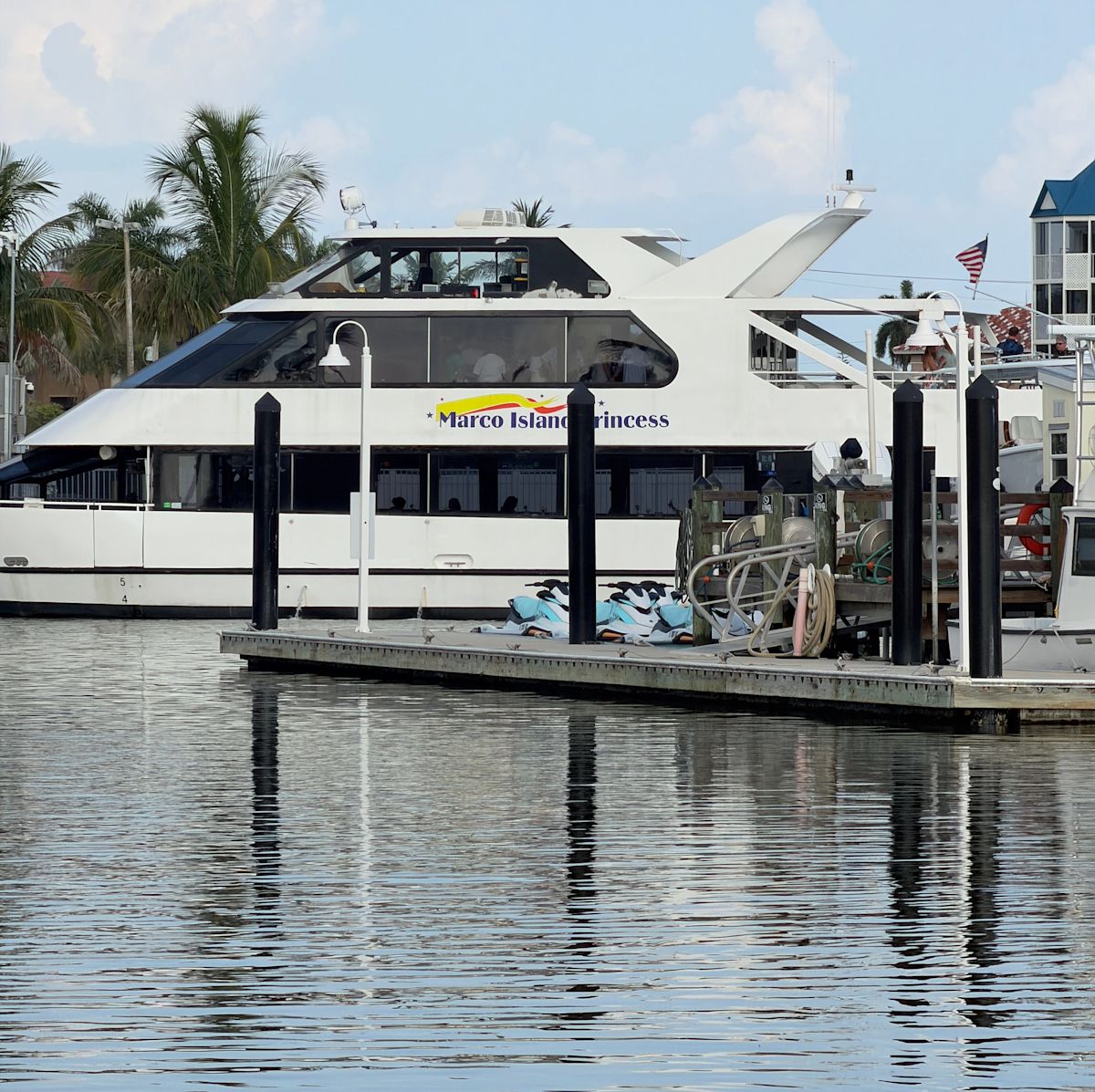
Under the approved development plan, the marina property at 951 Bald Eagle Drive will undergo significant upgrades, highlighted by the addition of a 200-seat restaurant designed to overlook and overhang the waters of Factory Bay. Waterfront dining is classified as a permitted use under the parcel's C-5 commercial zoning designation, but the facility required municipal variances to adjust its on-site parking to support restaurant patrons alongside existing charter boat operations, rental boat customers, and commercial passenger vessels.
Rose Marina has operated as a family-owned commercial enterprise on Marco Island since 1969. While the modernization plan represents a major milestone for the historic business, the proposal sparked intense public debate over local growth, neighborhood character, and maritime traffic during nine hours of prior planning board deliberations and the marathon council meeting.
Dozens of local residents packed the council chambers until past 1 a.m. to voice their perspectives. Public testimony reflected a sharp divide between community members seeking to protect a heritage business and residents voicing severe apprehension about commercial overdevelopment, island congestion, and procedural integrity.
A primary driver of public opposition during the hearing was the presence of commercial tourist ships. Although cruise operations were not formally listed as an agenda item, the issue dominated public comments, with several residents and council members expressing alarm over the increasing size and regularity of visiting passenger vessels.
Among the residents voicing opposition was Mario Curiale, who told council members that while he had no objection to the construction of a waterfront restaurant, he feared larger passenger vessels would erode the island's unique atmosphere and lead to tourist trolley congestion reminiscent of Key West. Curiale urged city officials to protect the local environment and maintain the island's character.
Much of the public concern centered on vessels operated by American Cruise Line, which measure between 243 and 248 feet in length. The company features ships such as the American Maverick, American Pioneer, and American Ranger on regional routes stopping at Marco Island, with vessels capable of carrying up to 130 passengers. Another vessel, the American Patriot, shares the same capacity but is not currently slated for future Key West cruise itineraries.
Marina representatives and project documents highlighted that these regional coastal vessels are substantially smaller than traditional ocean-going cruise liners operated by companies such as Carnival or Disney, which routinely span from 855 to well over 1,000 feet. Furthermore, because these coastal cruises do not originate on Marco Island, arriving passengers do not generate demand for overnight passenger vehicle parking on the island, relying instead on scheduled tour buses for transit.
Zach Lombardo, a land-use attorney representing Rose Marina, addressed the historical precedent of passenger vessels at the site. He reminded officials that expanded passenger vessel access had previously been addressed and authorized under the marina's 2003 site plan for dock extensions, which was also approved following contentious public hearings.
During the proceedings, Council Chairman Darrin Palumbo questioned the marina's legal counsel regarding the maximum vessel size that could physically dock at the facility. Lombardo detailed the structural and dimensional limitations of the docks, noting that the property's A Dock measures no more than 362 feet, which establishes a hard physical cap preventing larger ocean liners from mooring.
Lombardo also sought to dispel rumors that the facility could accommodate massive crowds simultaneously. Addressing fears that up to 1,200 tourists could disembark at once, he clarified that physical dock constraints, channel configurations, and parking logistics make such scenarios impossible. Under the approved site plan, bus traffic is strictly regulated to a maximum of three buses at one time, effectively capping ground transfers at 150 people.
To further mitigate neighborhood disruption, the approvals incorporate operational safeguards established during the planning board review. Under these conditions, debarkation vessels are explicitly prohibited from staying overnight at Rose Marina, with exceptions granted only during severe weather emergencies.
The construction phase of the project will temporarily alter local marine transportation. Key West Express announced in August that it would suspend ferry service to the marina for the upcoming winter season to accommodate the planned dock and parking construction, with plans to resume operations once improvements are completed.
The final council vote marked the conclusion of a rigorous municipal review that required two years of planning, multiple advisory sessions, and extensive public input. With all three variances officially granted, Rose Marina is now authorized to move forward with the construction of its waterfront restaurant and modernized dock infrastructure.





(0)