
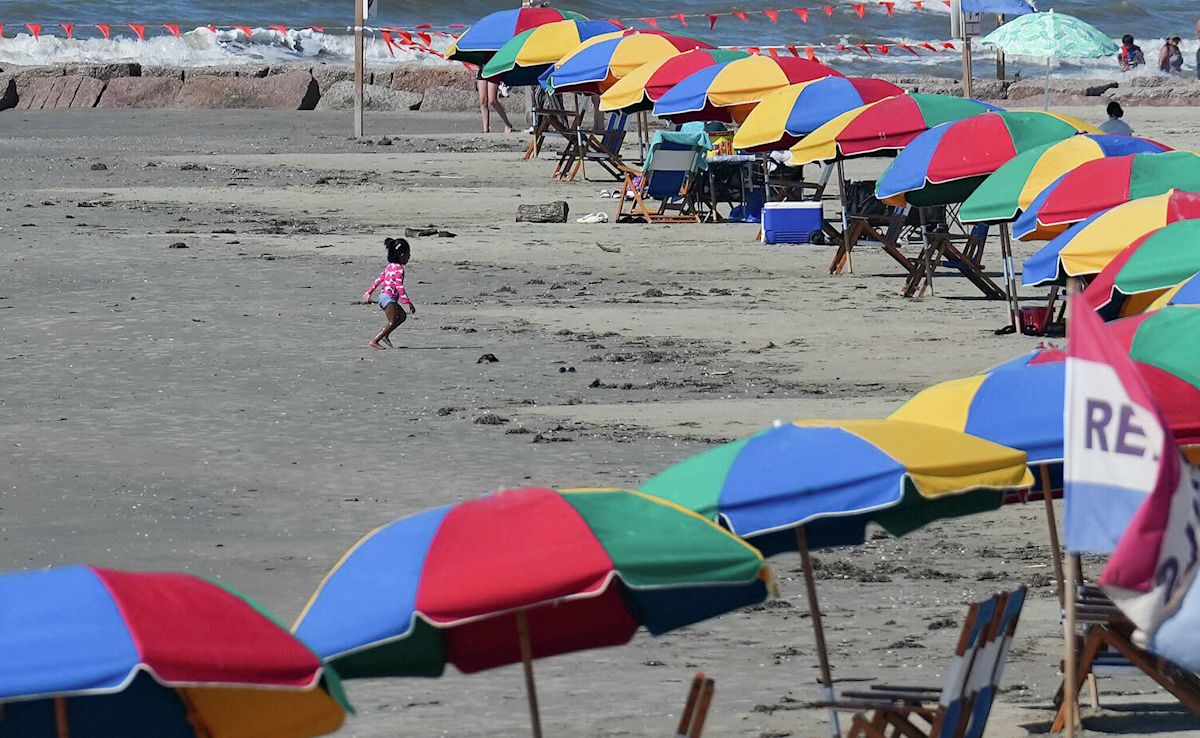
Health and environmental officials have issued an alert for coastal Texas as a harmful algal bloom, commonly known as a red tide, has reemerged along parts of the Gulf Coast. The situation has prompted warnings for beachgoers and residents near Galveston and adjacent shoreline communities, who are being advised to remain cautious about potential respiratory irritation and other health risks associated with the marine phenomenon.
The alert was officially raised by the National Centers for Coastal Ocean Science after researchers gathered and analyzed water samples from the Gulf of Mexico between Sept. 7 and Sept. 11. Testing of these samples confirmed elevated concentrations of Karenia brevis, the microscopic single-celled algae responsible for generating toxic red tide conditions in coastal waters.
According to mapping data from the Gulf Coast Red Tide Respiratory Forecast maintained by the agency, several popular beachfront destinations are facing heightened threat levels. A high risk of respiratory irritation has been identified along Seawall Boulevard situated in the center of Galveston, with elevated risk profiles also extending across the Bolivar Peninsula.
Within the Bolivar Peninsula, Crystal Beach has recorded both high and moderate-to-high risk levels depending on the specific shoreline section. Environmental forecasters expect this moderate-to-high risk classification to remain actively in place through at least Tuesday, depending on prevailing coastal conditions and movement of the bloom.
Karenia brevis is a harmful algae species that naturally occurs in marine environments but can rapidly multiply under certain conditions to form dense concentrations known as blooms. When these microscopic organisms experience explosive population growth, the collective mass can alter the physical appearance of the sea, sometimes lending the water a distinct reddish hue that gives the phenomenon its name.
Beyond changing the coloration of the ocean, the algae poses severe biological hazards to marine life. According to information provided by the Texas Parks and Wildlife Department, Karenia brevis produces potent natural toxins capable of severely damaging the nervous systems of aquatic species.
These toxins act quickly upon marine fauna by causing paralysis in fish. Unable to swim or properly function, the paralyzed fish rapidly succumb to the toxin's effects and die, subsequently drifting through the water column before washing up along coastal shores.
Evidence of this toxic effect has already become visible along the Texas coastline. Beach visitors and local monitors have reported seeing dead fish washing ashore at multiple beach locations over the past several days, underscoring the severity and physical presence of the current bloom.
The threat posed by red tide is not restricted strictly to the water. Stiff coastal winds can carry aerosolized toxins released from the breaking waves inland, transporting irritating airborne particles directly toward beach parks, walkways, and populated shoreline corridors.
When these windborne algal toxins reach people enjoying the outdoors, they can provoke an array of respiratory issues. Beachgoers exposed to the contaminated sea breeze may experience coughing, throat irritation, and breathing discomfort, making prolonged exposure ill-advised during periods of high onshore winds.
In response to the environmental hazard, the Texas Parks and Wildlife Department has issued specific dietary and harvesting guidance to protect the public from foodborne illnesses related to toxic algae. Filter-feeding organisms, particularly bivalve mollusks like oysters and other shellfish, readily ingest and concentrate the algae's toxins within their edible tissues.
Due to the severe risk of toxicity from consuming contaminated shellfish, wildlife officials strongly advise individuals against eating any oysters, clams, or other shellfish that they have personally harvested from affected waters. Those wishing to consume shellfish are instead encouraged to purchase their meals from commercial restaurants, which rely on certified, monitored supply chains.
Fortunately, the biological dynamics of the toxin differ when it comes to other forms of seafood. The Texas Parks and Wildlife Department notes that the red tide toxin generally does not penetrate or compromise the fleshy muscular tissue of finfish, crabs, or shrimp, meaning these species remain safe for human consumption provided they are harvested alive and active.
Nevertheless, state wildlife authorities maintain a strict rule of caution regarding dead or visibly distressed marine life. Anglers and beachcombers are strictly warned never to collect, prepare, or eat any fish that appears sick, lethargic, or was discovered already dead along the shoreline or in the water.
The current outbreak marks a noteworthy development in coastal environmental monitoring, as it represents the first red tide alert issued along the Texas coast in three years. The return of Karenia brevis ends a prolonged period of calm waters for the state's beaches regarding this specific biological hazard.
During the last major documented occurrence three years prior, the toxic algae bloom lingered in the Galveston Bay area for approximately one month. Environmental scientists and regional coastal managers continue to monitor the Gulf waters closely to track the duration and movement of the current bloom as the week progresses.







(0)