
Landscaping enthusiasts seeking to infuse outdoor spaces with architectural softness and visual interest are increasingly turning to bell-shaped blossoms. Characterized by their pendulous silhouettes and delicate geometry, these distinctive flowers provide a storybook atmosphere that complements flower beds, border edges, pathways, and patio containers.
Ranging from low-growing woodland specimens to commanding vertical stalks, bell-shaped and trumpet-shaped flora offer solutions for diverse soil types, light exposures, and hardiness zones. Horticultural records show that incorporating a thoughtful mix of these species ensures continuous seasonal color alongside valuable ecological support for local pollinators.
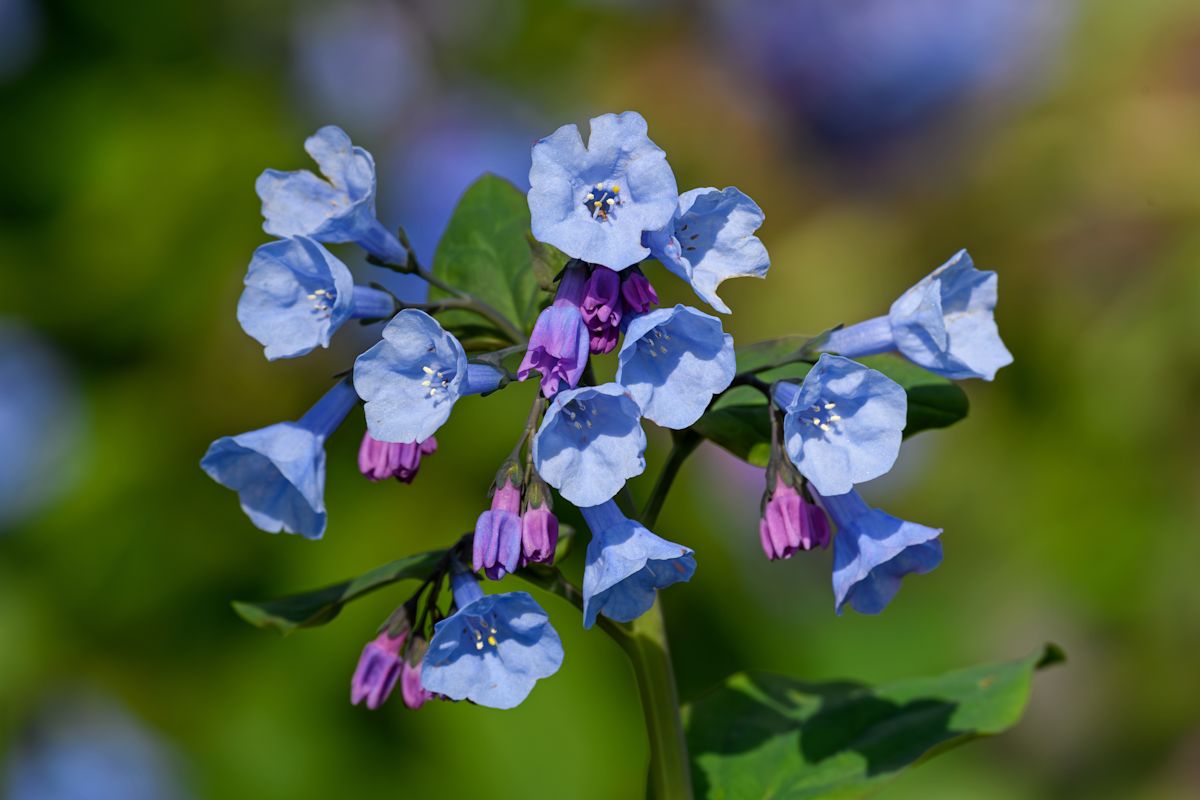
Among the early spring native varieties, Virginia bluebells remain a standout choice for naturalizing shaded plots across the Eastern United States. Emerging with rounded, pale gray-green foliage on stems reaching up to 24 inches, their tubular flowers undergo a chromatic shift from soft pink to vibrant blue before the plant enters its natural summer dormancy.
Similarly suited for woodland canopies is bellwort, a spring-flowering native wildflower recognized for its nodding, bell-form blooms with elongated yellow petals. Performing reliably across USDA Hardiness Zones 4 through 9, bellwort offers a subtle yet striking presence in deeply shaded terrain where other ornamentals might struggle.
Gardeners managing wildlife challenges often favor fritillaries for their dual benefit of ornamental appeal and natural pest deterrence. Featuring bell-shaped blossoms with checkered patterns, these plants flourish in cool, well-drained earth with filtered sunlight, and their presence helps dissuade rodents and squirrels. While certain varieties like *Fritillaria imperialis* are often cultivated as annuals, appropriate soil conditions enable them to rebloom as hardy perennials.
For dramatic vertical structure in dappled light, foxgloves produce tall, densely packed spires of bell-shaped blooms. Thriving across Hardiness Zones 4 through 10, these prominent flowers emerge from late spring into early summer, adding valuable height to the rear layers of shaded borders.
Foliage-focused landscapes frequently incorporate coral bells (*Heuchera spp.*), prized for dense mounds of variegated leaves accompanied by delicate, slender spikes of bell-shaped flowers. Beyond their high resistance to common plant diseases, coral bells reliably attract pollinating insects to shaded garden beds throughout the growing season.
Late winter displays benefit from the extreme cold tolerance of snowdrops, which push through the ground to present delicate, drooping white petals. These early bloomers thrive in partially shaded exposures and tolerate heavy clay soils, provided the ground remains reasonably loose and well-drained.
Sun-drenched settings with challenging, nutrient-poor ground are ideal for beardtongue, scientifically classified as *Penstemon*. Adapted to Zones 3 through 9, this perennial can attain heights of up to four feet, showcasing long-lasting blooms with unique pollen-free stamens while requiring little more than full sun, excellent drainage, and regular weekly watering during peak summer heat.
Shrub borders can achieve similar pollinator appeal through weigela, a rapid-growing woody plant that reaches up to six feet in height. Bearing clusters of pink to deep red blooms, weigela performs exceptionally well in sunny exposures and demonstrates strong adaptability to heavy clay conditions.
For both indoor displays and traditional spring garden beds, hyacinths provide vibrant color palettes of blue, pink, and white paired with intense fragrance. Whether forced indoors as potted bulbs or cultivated in well-drained outdoor soil, they deliver dependable early-season color.
Traditional sunny borders frequently feature the classic bellflower, known for producing nectar-rich blooms in shades of white, violet, and deep blue. These plants serve as critical foraging resources for visiting bees and beneficial insects throughout their active flowering periods.
Rocky slopes, elevated ledges, and open garden spaces find an architectural anchor in golden columbine (*Aquilegia chrysantha*). Characterized by dark, clover-shaped foliage and distinctive five-spurred bell flowers, this hardy perennial attracts local wildlife while remaining unpalatable to browsing deer.
Standard spring plantings also rely heavily on daffodils (*Narcissus*), which feature iconic trumpet-shaped central cups framed by outer petals. Thriving in Zones 3 to 8 under full or filtered sunlight, these resilient bulbs multiply and naturalize over successive years with minimal maintenance.
To combat deer pressure in heavily shaded spots, lungwort (*Pulmonaria*) provides an early spring defense with its textured, bristly foliage. The coarse surface of the leaves naturally repels deer, allowing the plant to produce its classic bell-like blooms undamaged in low-light environments.
Finally, vertical trellises and fences benefit from fast-growing morning glory vines, renowned for expansive trumpet-shaped blue blossoms that unfurl at dawn and close by afternoon. Grown as annuals in cooler regions or perennials in warmer climates, they require consistent moisture, well-draining soil, and full sun to sustain their daily blooming cycle.





(0)