
As eighteen-year-old Óscar García guided his pickup truck through the barricades flanking the entrance to his hometown, he recognized the armed figures guarding the perimeter. Masked men clutching semi-automatic rifles kept watch over the roadway, acknowledging the young driver by name before waving him past the fortified checkpoint. Beside him sat his 74-year-old grandfather, Francisco, dressed in his traditional straw cowboy hat, quietly reflecting on how drastically life in western Mexico had unraveled over the decades.
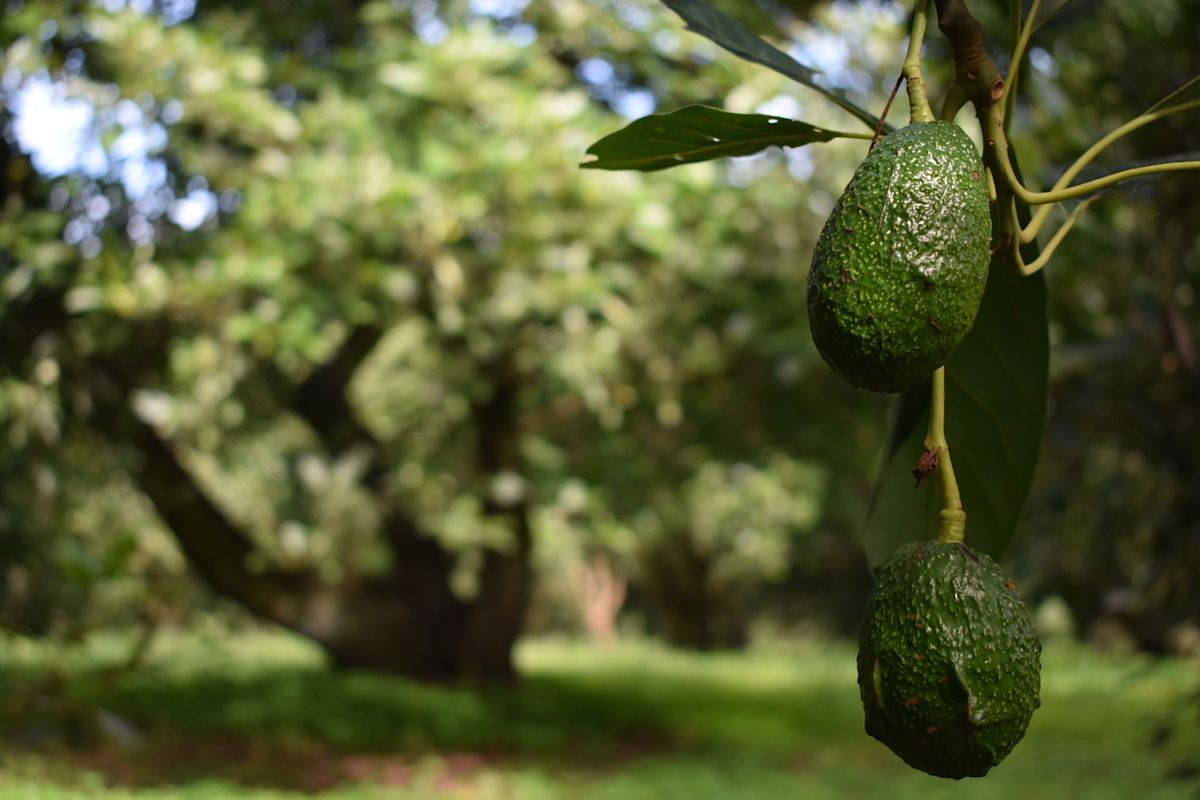
For generations, the rugged terrain surrounding San Ángel Zurumucapio had been a quiet and impoverished sanctuary. That changed when agricultural commerce transformed the state of Michoacán into an international powerhouse of avocado production. While the high-yield fruit delivered sudden economic wealth to families who had known only scarcity, Francisco noted that the rapid influx of capital simultaneously ushered in an era of unprecedented fear, violence, and insecurity.
The human cost of that prosperity became intimately personal as Óscar steered his vehicle away from the paved highway and climbed a rutted path threading through mountainside orchards. Several miles outside the village, the teenager brought the truck to a halt at the exact spot where investigators had recovered his father's abandoned vehicle. With his father vanished and presumed abducted, the responsibility of maintaining the family’s agricultural livelihood now rests entirely on Óscar’s shoulders.
San Ángel Zurumucapio is a close-knit indigenous settlement of approximately 6,000 residents, deeply anchored in its P'urhépecha heritage. In this rural hamlet, nearly everyone shares extended family ties, and communal life has historically centered on seasonal rodeos and local traditions. Decades ago, the surrounding landscape consisted of dense, untouched pine forests where young men like Francisco eked out meager livings on horseback, collecting tree resin to support their households.
Because local economic opportunities were virtually nonexistent during that era, upward mobility required leaving home behind. Francisco migrated to Texas for a period, performing hard physical labor so he could send back sufficient earnings to construct a home large enough for his twelve children. Years later, his eldest son, known as Pancho, followed a similar trajectory by traveling north to spend six years laboring on a Christmas tree farm in North Carolina.
When Pancho eventually returned to Michoacán to establish a household with his wife, Terésa Pérez, he invested his savings into clearing a small plot of woodland to plant avocado saplings. His timing coincided with a massive geopolitical shift: the implementation of the North American Free Trade Agreement led to the lifting of the long-standing United States ban on Mexican avocado imports in 1997. The policy change opened a vast consumer market that sent demand for the crop skyrocketing.
Over the subsequent three decades, the surging international appetite for avocados fundamentally altered the economic landscape of Michoacán. Families who had lived in generational poverty suddenly entered the middle class. Pancho and Terésa used their orchard revenues to construct a modern house, purchase reliable vehicles, finance beach holidays, and provide quality clothing and education for their three children, Ana, Óscar, and José.
However, the rapid agricultural boom brought severe ecological consequences to the countryside. As hundreds of thousands of acres of indigenous pine woodlands were cleared to make room for commercial orchards, the extensive deforestation disrupted the local climate. Temperatures climbed across the region, while natural rainfall patterns dwindled, straining the surrounding environment and altering the natural balance of the mountains.
The colossal profits generated by the avocado trade soon attracted violent criminal syndicates. By the mid-2000s, organized crime groups operating in Michoacán sought to expand their revenue streams beyond the trafficking of illicit substances such as methamphetamine, heroin, and cocaine. Recognizing the immense cash flow in agriculture, armed syndicates began forcibly seizing cultivated lands, deforesting new tracts for rogue groves, and demanding steep protection payments from independent growers.
In San Ángel Zurumucapio, criminal operatives made their presence felt through intimidation and open displays of power. Armed men traversed the village streets in expensive, flashy trucks, openly smoking marijuana and blasting loud banda music. The atmosphere of lawlessness grew pervasive, casting a shadow of apprehension over the once-peaceful indigenous community.
Growing up amid this worsening crisis, Óscar experienced the violence firsthand from an early age. He was forced to scramble for cover during shootouts near his school and near a neighborhood shrine dedicated to the Virgin Mary that his grandfather had helped construct. Across the town, farmers and the parents of his classmates regularly vanished, held hostage in hidden locations until their desperate families could gather enough funds to pay extortionate ransoms.
Despite the mounting danger surrounding their remote orchard, Pancho had remained remarkably serene. Dedicated to his family, he preferred quiet evenings at home watching television rather than dwelling on the unrest around him. He also refused to purchase a firearm for personal defense, even as his brothers and neighbors began arming themselves, questioning why anyone would target an ordinary, hardworking farmer.
During their working trips into the mountains, Pancho focused on mentoring his son, instructing Óscar on the proper timing for soil fertilization and how to identify and eradicate destructive tree fungus. Those quiet instructional moments became the foundation of Óscar's agricultural knowledge before his father's sudden disappearance, a suspected kidnapping that devastated the family and left them in persistent grief.
Confronted with relentless extortion and the inability of formal authorities to guarantee safety, the citizens of San Ángel Zurumucapio ultimately mobilized to defend themselves. The community embraced a framework of indigenous self-governance, organizing a local self-defense militia to monitor roads, set up armed barricades, and shield growers from cartel incursions.
Yet, despite the presence of armed townspeople patrolling the entryways, the region remains trapped in an uneasy standoff. The trade that lifted an entire generation out of rural hardship continues to cast a long shadow, leaving families like the Garcías to tend their valuable groves under the constant, lingering specter of violence.








(0)