
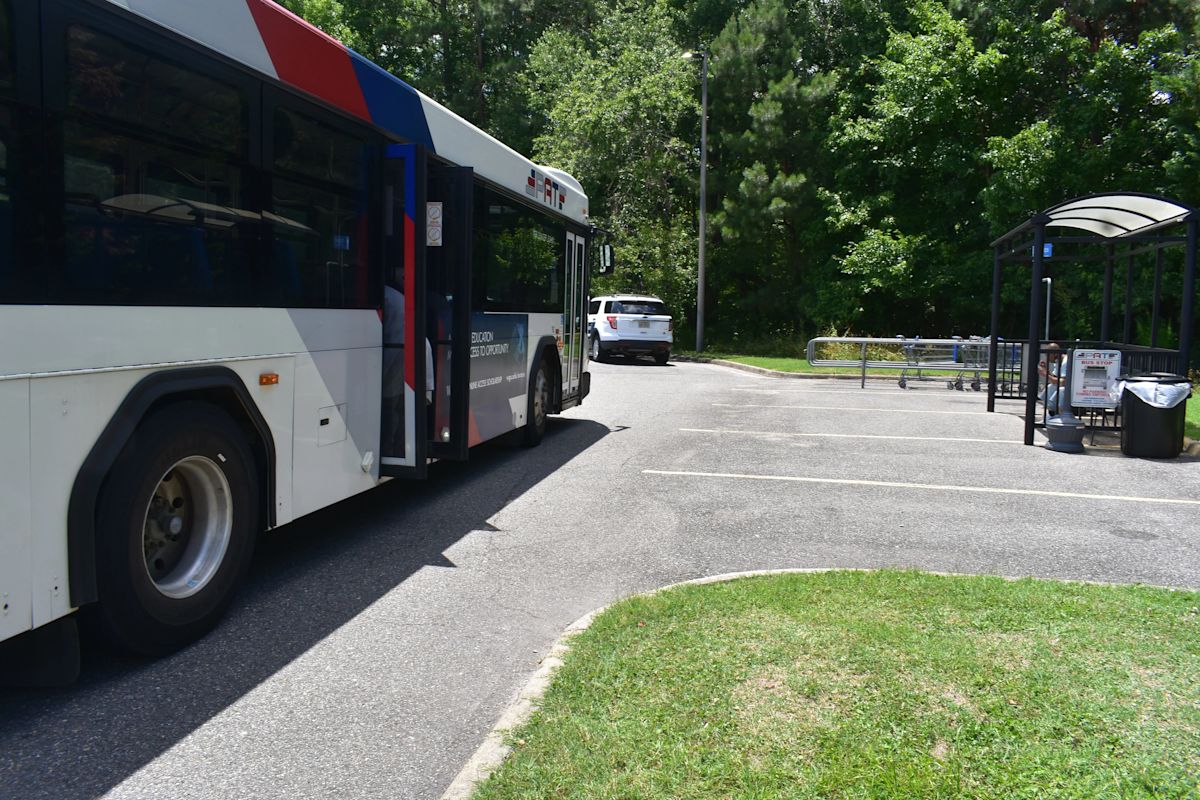
In an effort to address mounting commuter dissatisfaction regarding unexpected transit delays, Petersburg Area Transit has enacted a significant operational adjustment across its municipal bus network. The agency has formally placed a strict cap on the length of time vehicles remain stationary at scheduled stops, restricting these pauses to a firm five-minute timeframe.
The policy shift was officially communicated to the public through an announcement posted on September 12, with transit leadership confirming that the revisions were placed into effect immediately. Local transit officials framed the new operating standard as a necessary corrective action to streamline daily travel and provide area riders with a more dependable commuting experience.
The administrative decision follows recurring grievances from community members who depend heavily on municipal transit for their daily mobility. Many passengers reported that drawn-out wait periods at various transit stops severely disrupted their daily routines, making it difficult to reach their job shifts on time or attend vital healthcare appointments without experiencing substantial delays.
In urban public transportation operations, designated holds are a standard scheduling mechanism where buses are mandated to linger at key locations for a set duration. These stationary intervals are typically implemented at route terminuses, central transfer points, and major passenger interchanges across the city's overall transit infrastructure.
Traditionally, transit planners rely on scheduled holds to balance network-wide operational consistency, facilitate smooth transfers between connecting lines, and prevent buses from leaving stops ahead of their published timetables. However, when these waiting periods become excessively prolonged, they can cause cascading schedule disruptions that frustrate riders seeking direct, reliable, and efficient transportation.
To establish greater predictability throughout the entire system, Petersburg Area Transit has synchronized its departures from the central downtown transit facility situated on West Washington Street. Under the newly implemented guidelines, buses operating across all active lines are scheduled to depart from the downtown terminal precisely at fifteen minutes past every hour.
Alongside the updated scheduling protocol, transit managers have urged passengers to take proactive steps to safeguard their personal travel itineraries. Officials recommended that riders factor in extra time to account for potential traffic congestion and aim to arrive at their destinations at least one hour prior to scheduled appointments or workplace shifts, allowing them the flexibility to catch an earlier bus if necessary.
The scheduling adjustments apply to a transit framework that comprises 15 distinct routes, delivering essential mobility throughout the local community. The municipal service is partitioned into 10 daytime routes and five evening routes, providing transportation options six days a week from Monday through Saturday.
Daily service hours are structured to accommodate standard commuting patterns, with daytime operations starting around 6:15 a.m. and concluding near 6:10 p.m. Following a brief operational transition, evening bus services commence at approximately 7:15 p.m. and run until approximately 10:15 p.m., ensuring vital mobility for late-shift workers and evening travelers.
The move to enforce tighter hold limits coincides with broader organizational challenges as Petersburg Area Transit navigates a comprehensive modernization campaign. Agency leadership is actively working to upgrade systemic transit capabilities while addressing persistent operational and infrastructure constraints that have developed over several years.
A central priority in the agency's long-term improvement strategy involves finding a replacement for its existing maintenance depot. Officials are currently working to identify and secure an appropriate new location to take over operations from the outdated maintenance facility currently situated on Fairgrounds Road.
Compounding the logistical difficulties is the advanced age of the municipal bus fleet, which currently consists of 43 vehicles. More than half of the active buses in service have exceeded their federally recognized lifespan benchmarks, which are standardized at either 12 years of operational service or 500,000 accrued road miles.
Operating vehicles beyond their recommended service thresholds has historically led to critical reliability issues, including mechanical breakdowns during scheduled routes. Furthermore, during peak summer conditions, aging onboard equipment has occasionally resulted in air conditioning failures, creating uncomfortable environments for both drivers and passengers on the hottest days.
By implementing strict five-minute hold limits and standardizing departure windows, transit administrators aim to mitigate immediate scheduling difficulties while pursuing broader fleet replacements and facility upgrades. The combined initiatives reflect an ongoing push to enhance reliability, rider satisfaction, and the overall operational quality of public transit in Petersburg.





(0)