
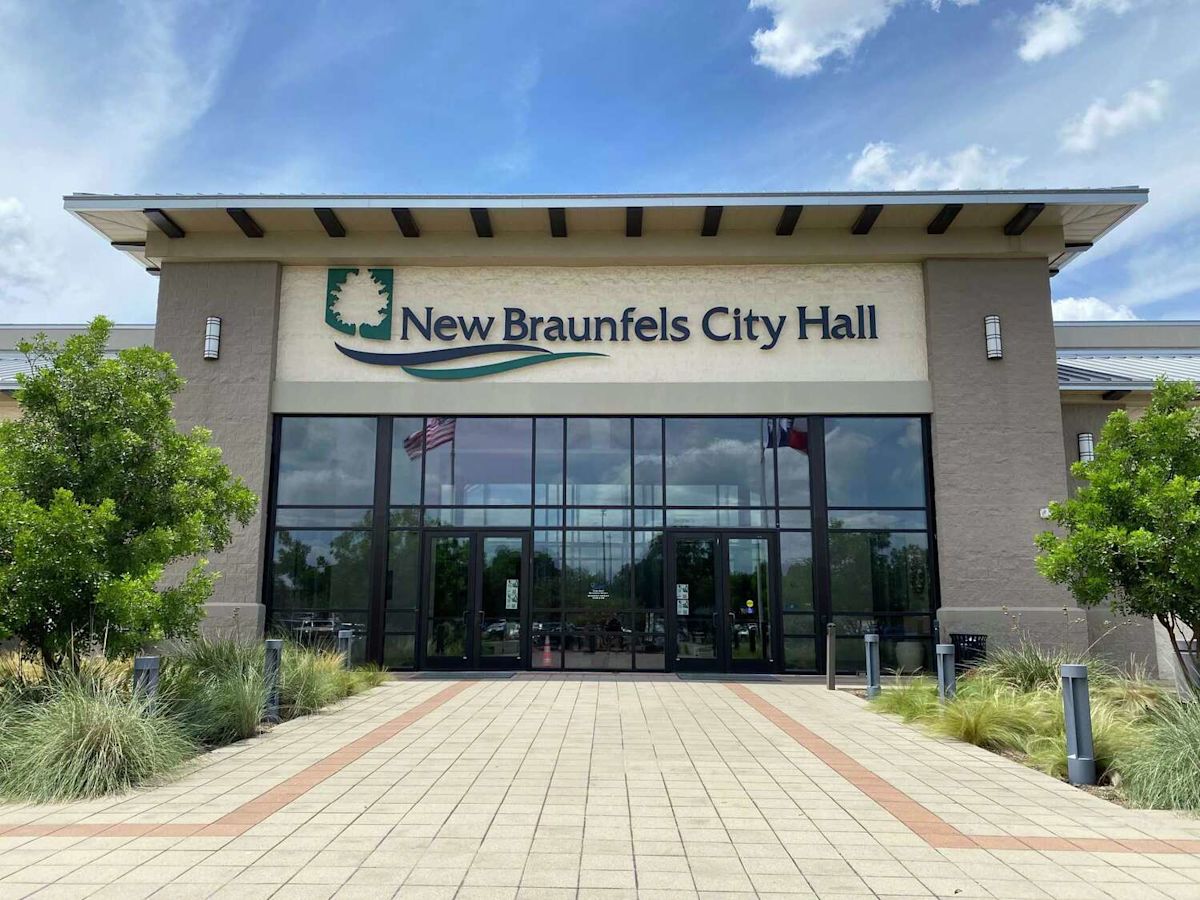
City leaders in New Braunfels have reaffirmed their commitment to expanding local affordable housing options while drawing a firm boundary against using municipal utility discounts to finance private development. In a unanimous 5-0 vote, the New Braunfels City Council decided to recommend against waiving up to $500,000 in utility fees for the proposed Park at Dogwood apartment complex.
Despite denying the developer's specific fee waiver request, council members stressed that they remain supportive of the affordable housing project. The council directed municipal staff to investigate alternative financial mechanisms and explore any available avenues to help close a multimillion-dollar funding gap currently threatening the venture.
The project, spearheaded by The Park Companies, is planned as a 76-unit multi-family residential complex situated at 1869 McQueeney Road. The development is designed to provide income-restricted housing options for lower-income working individuals and families living in the Central Texas region.
According to Jeff Jewell, the city's economic and community development director, the overall development is currently contending with a $2 million financial deficit. To help mitigate the shortfall, the developer formally asked the city and New Braunfels Utilities to waive up to $500,000 in utility impact fees.
New Braunfels Utilities, a city-owned public entity providing electric, water, and sewer services, charges impact fees on new developments to help fund the municipal infrastructure required to support growth. Total utility impact fees for the Park at Dogwood development are estimated at $1.3 million, meaning the requested relief would have amounted to a reduction of nearly 40 percent. City policy mandates that any such waiver from the utility board requires a recommendation from the city council.
The apartment complex is designed to serve local households earning between 30 percent and 60 percent of the area median income. Depending on the size of the family, eligible income thresholds would range from roughly $21,000 to $54,000 annually. Under the current plan, proposed monthly rents would range between $424 and $1,196, determined by unit size and household earnings.
City records show that the overall cost to construct the Park at Dogwood is estimated at approximately $22.3 million. The majority of the funding was structured around the federal Low-Income Housing Tax Credit program, which granted allocations to the project in 2024.
However, the development faced unforeseen complications after the Federal Emergency Management Agency updated regional floodplain maps. The revised maps forced the developer to redesign the site layout, causing construction delays. Because of these disruptions, the anticipated proceeds from the federal tax credit program fell from $17.6 million to roughly $15.7 million, creating the present $2 million funding gap.
To help offset the shortfall through other channels, the developer has already secured a partnership with the New Braunfels Housing Authority, which provides an exemption from property taxes on the site. In addition, city documents indicate that local officials are evaluating the possibility of waiving around $250,000 in municipal roadway impact charges.
During the council meeting, Councilwoman Nikki Shaw voiced opposition to using utility revenues for developer incentives, pointing out that New Braunfels Utilities has implemented regular annual rate increases on customers since 2023 to pay for ongoing infrastructure needs. She argued that granting fee waivers while raising consumer utility rates was inappropriate, noting that the infrastructure costs tied to new developments must ultimately be covered.
Instead, Shaw proposed that financial assistance could potentially be provided through the New Braunfels Economic Development Corporation, a municipal board that allocates a portion of local sales tax revenues to stimulate economic growth. Mayor Michael French and Councilwoman Toni Carter were not present for the discussion and vote.
The project also generated debate during the public comment portion of the meeting. Resident Eva Pepitone spoke against the development, alleging it would negatively impact the neighborhood and strain local public schools, while suggesting single parents in the complex would not be home after school to help their children with schoolwork.
Council members firmly pushed back against those assertions. Councilman Michael Capizzi rejected the negative characterization of future residents, emphasizing that the community should extend a helping hand to families seeking stability. Capizzi affirmed his support for the housing initiative and endorsed Shaw's proposal to seek economic development funding rather than utility waivers.
Councilman D. Lee Edwards shared his own past experiences with severe financial hardship, recounting how a loss of income in 1977 forced his family into a $125-a-month mobile home in South Carolina with an infant. Edwards argued that developments like the Park at Dogwood are essential because they give everyday people the foundation needed to overcome hardship and improve their circumstances.
Other residents who addressed the council echoed the sentiment that while affordable housing serves an important public purpose, utility ratepayers should not be burdened with subsidizing developer infrastructure costs through impact fee reductions.





(0)