
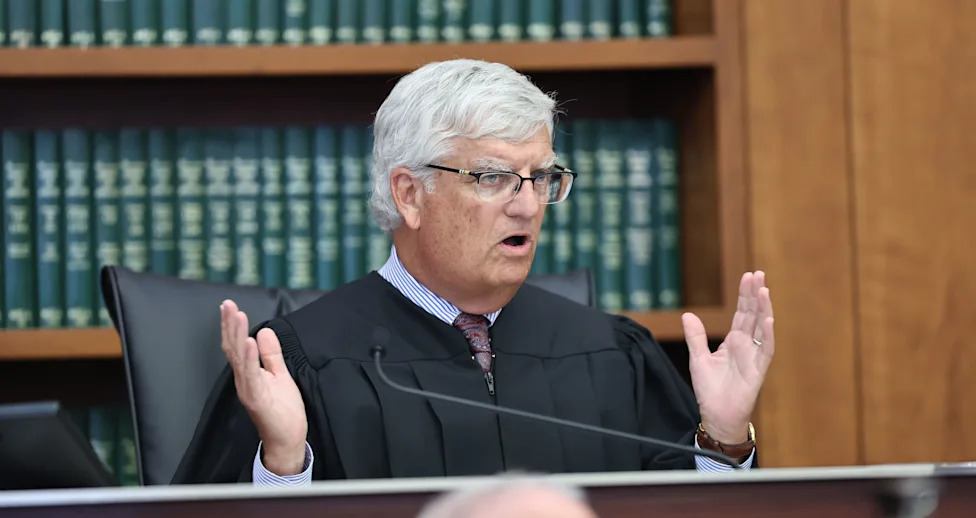
A Massachusetts judge has issued a comprehensive ruling indefinitely sealing the identities of all jurors who served in the high-profile murder trial of Lindsay Clancy. Plymouth Superior Court Judge William Sullivan determined that shielding the panel members is vital to safeguarding them from mounting public scrutiny, online harassment, and persistent safety concerns following the emotionally charged legal proceedings.
The decision arrives in the immediate aftermath of a deeply divided courtroom battle that recently concluded without a resolution. Judge Sullivan’s ruling ensures that the personal details of both deliberating and alternate jurors will remain sealed from the public record until further notice, keeping sensitive identifying information under strict court impoundment.
In a formal judicial order dated September 14, 2026, Sullivan emphasized that the Clancy trial attracted an extraordinary level of divisive attention throughout Massachusetts and across the country. Because the courtroom sessions were broadcast via live video feeds, the trial rapidly transformed into a focal point for intense daily debate, speculation, and polarizing discourse on digital platforms.
Under standard Massachusetts judicial practices, the names of individuals who complete jury service are generally treated as matters of public record. However, Sullivan affirmed that the court possesses the authority to depart from standard disclosure rules when compelling circumstances arise, finding substantial good cause to keep the records confidential in this instance.
The judge cited a disturbing series of events that transpired both during and after the trial to justify the protective measures. Most notably, court officials referenced an incident involving the arrest of an individual who was caught secretly recording panel members as they departed the Plymouth courthouse facility, an act that triggered severe concerns regarding courthouse security and juror privacy.
In addition to physical surveillance attempts outside the courtroom, the judge pointed to dangerous digital behavior directed at those involved in the case. Personal information belonging to jurors was discovered to have been identified, compiled, and disseminated across online forums without permission, exposing panel members to doxing and heightened hostility.
The order also revealed that the protective measures were requested directly from within the jury box itself. According to Sullivan, at least one juror formally petitioned the bench to extend the impoundment indefinitely, emphasizing that panel members faced an ongoing and tangible atmosphere of apprehension.
Evaluating these combined threats, Sullivan concluded that the danger facing the jurors represents a real and present risk of physical and emotional harm. The judge warned that making the full juror roster accessible to the public would create an imminent threat of immediate and irreparable injury, thereby undermining the integrity of the jury system.
The order follows the conclusion of Clancy's murder trial, which culminated when the jury notified the court that it was hopelessly deadlocked. After days of deliberations, panel members remained unable to reach a unanimous verdict on the charges, forcing the judge to declare a mistrial in the case.
Following the declaration of the mistrial, the reactions among the jurors varied considerably. While a small number of individual panel members chose to speak openly to media outlets about their deliberation experiences, the majority of deliberating jurors and alternates chose to maintain total anonymity and declined all requests for post-trial interviews.
Judge Sullivan clarified the precise boundaries of the protective order, noting that the impoundment applies specifically to official court disclosures and institutional records. The ruling does not restrict individual jurors from voluntarily coming forward, revealing their own identities, or speaking publicly about their service if they choose to do so on their own terms.
The underlying criminal case centers on Clancy, a Duxbury mother accused of killing her three young children inside their home in January 2023. The nature of the accusations generated immense emotional reactions and polarized public sentiment nationwide, creating unprecedented challenges for managing trial publicity and juror welfare.
The pervasive presence of digital commentary and live trial broadcasts intensified the pressure surrounding the case, turning the panel's civic duty into a subject of viral social media scrutiny. Sullivan’s decision underscores the mounting difficulties courts encounter when attempting to insulate ordinary citizens from aggressive public reactions in digitally publicized trials.
Clancy is scheduled to appear back in court later this month as both sides navigate the complex legal aftermath of the mistrial. Defense attorneys and prosecutors are actively litigating their next procedural steps, with the defense challenging the legal sufficiency of the evidence presented while prosecutors determine how to proceed with the case.
By extending the impoundment order indefinitely, Judge Sullivan has reinforced a legal barrier around the panel members, ensuring they remain protected from public exposure as the contentious prosecution moves toward its next legal phase.





(0)