
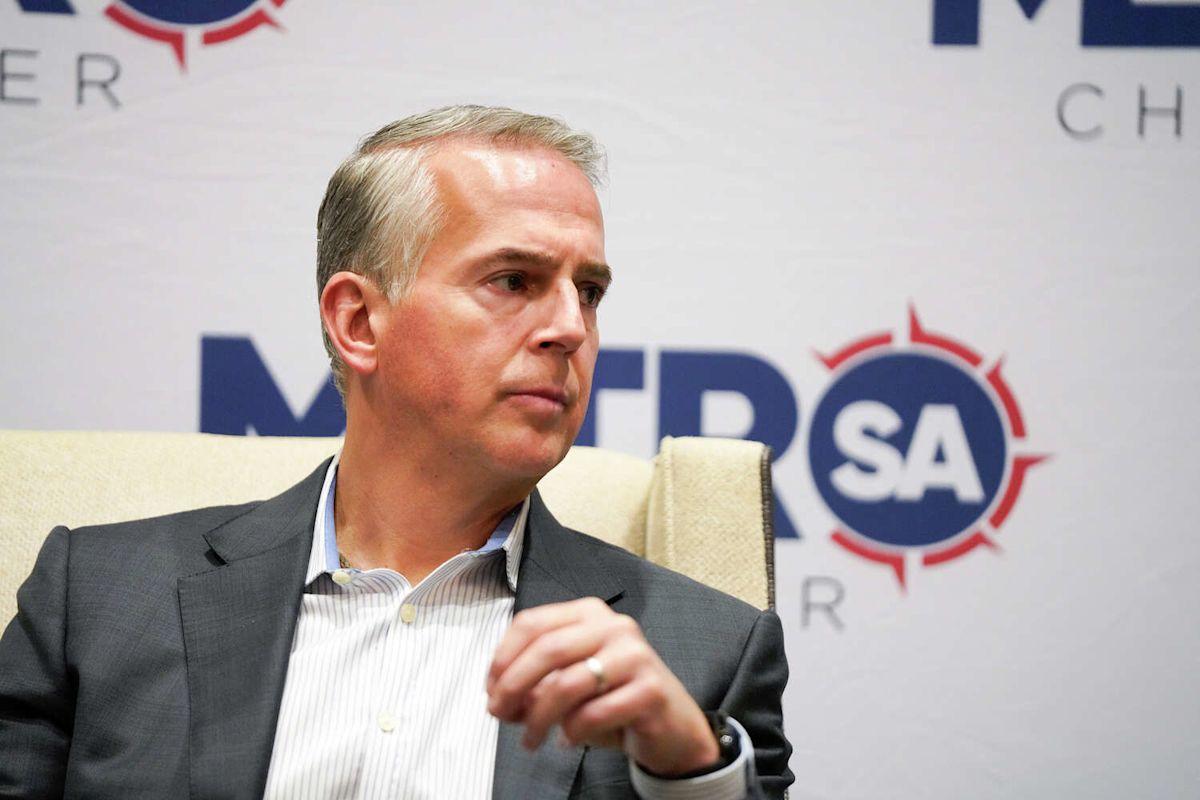
The Electric Reliability Council of Texas has halted a proposed multi-million dollar contract extension for its president and chief executive officer, Pablo Vegas, only hours after the organization's governing board initially approved the agreement. The decision to pause the finalization of the lucrative package came directly after sharp public rebukes from Texas Lieutenant Governor Dan Patrick.
The sudden postponement underscores growing friction over executive compensation at the state’s primary power grid operator. Although the board of directors had formally moved to approve the six-year agreement during a scheduled meeting, leadership clarified shortly after an executive session that the deal would not be finalized under the present circumstances.
The political backlash was ignited when Patrick publicly expressed strong disapproval of the pay package on social media. The lieutenant governor argued that approving a substantial compensation raise for the grid operator’s top executive was inappropriate while everyday consumers face heightened financial strain from growing energy bills.
In his public statement, Patrick characterized the proposed pay increase as an unacceptable burden placed upon consumers, asserting that escalating utility expenses make this the wrong moment to grant such an increase. He emphasized his expectation that state lawmakers would find the sheer size of the financial package alarming when evaluating ratepayer impacts.
Patrick also addressed discussions surrounding the board's actions, noting that he had communicated directly with ERCOT Chairman Bill Flores and Public Utility Commission Chairman Thomas Gleeson. He maintained that if grid leadership intended to advocate for consumers, they needed to suspend their decision before adjourning the meeting to permit state lawmakers to review the matter when the legislative session commences in January.
The initial approval by the ERCOT board had proceeded without any open objection or critical remarks from members during the public portion of the proceedings. Chairman Flores originally introduced the motion to endorse the new contract, framing the package as a deserved reward for Vegas's executive management over an intensely demanding operational period.
Flores defended the compensation plan by highlighting the institutional stability and leadership Vegas provided throughout the preceding four years. He noted that the contract renewal was designed to reflect the executive's track record while also preparing the organization for complex structural and operational challenges anticipated across the Texas power market in future years.
Under the terms drafted by the board, the proposed agreement would have established a six-year commitment, effectively adding five years to the executive's existing contract, which is currently slated to run through the conclusion of 2027. The package outlined substantial base pay alongside extensive performance-driven compensation mechanisms structured over several years.
The proposed agreement featured a baseline annual salary of $1.16 million, representing a 7 percent increase over Vegas's current base salary of $1.09 million. However, when factoring in potential short-term incentives, long-term incentive grants, savings arrangements, and additional executive benefits, the total potential compensation for 2027 could have escalated to approximately $6.47 million.
Grid officials clarified that the headline total of $6.47 million would not have been distributed entirely within that single calendar year. ERCOT’s compensation modeling indicated that the actual payout for 2027 was estimated at roughly $4.13 million, a figure that incorporated an existing $1.39 million make-whole payment carried over from Vegas's original employment terms.
A significant portion of the overall package consisted of contingent incentive components tied to organizational benchmarks. The contract laid out a $1.16 million short-term incentive alongside a $2.09 million long-term incentive grant. According to an ERCOT spokesperson, the long-term portion was calculated at 180 percent of the base salary and structured so that it would not be disbursed until 2030.
The proposed contract also introduced a $587,000 457(f) deferred-compensation benefit that had not been part of the executive’s previous employment framework. For comparison, under his existing contractual arrangement, Vegas stood to receive around $4 million this year when pairing his base salary with a potential $1.06 million short-term incentive, $420,000 in long-term incentives, and standard benefits.
To justify the proposed compensation figures, ERCOT referenced a formal market study conducted by independent compensation consultant Mercer. The firm's analysis determined that the proposed overall remuneration placed Vegas between the 50th and 75th percentiles among chief executives at comparable utility organizations and independent regional grid operators.
Despite the intense scrutiny from elected officials, the governing statutes in Texas do not grant the state Legislature direct authority over the contract terms of ERCOT’s chief executive. Regulatory oversight is instead vested within the Texas Administrative Code, which mandates that the Public Utility Commission of Texas review and approve both the appointment and the compensation package of the grid operator's CEO.
That regulatory process was followed when Vegas originally took the helm of ERCOT in 2022, a hire that was selected by the grid operator's board and subsequently granted unanimous approval by the Public Utility Commission. With the current contract extension placed on hold following high-level political objections, the future timeline for revisiting the chief executive's compensation remains paused pending further review.





(0)