
Administering prescribed medication to a sick feline can quickly turn into a frustrating ordeal for pet owners, but animal care professionals emphasize that specific techniques can make the process safer and more manageable. In the educational column "Ask the Shelter," Jennifer Vanderau of the Cumberland Valley Animal Shelter addressed common difficulties associated with treating pets, responding to a pet owner struggling to give antibiotics to a cat suffering from an infection.
Vanderau explained that providing oral medications to felines often causes significant strain for both the animal and the caretaker. While some pet owners find success by hiding tablets inside a ball of wet food or using commercially prepared pill pockets from local pet supply stores, these methods are far from foolproof. Many felines possess keen instincts and high intelligence, enabling them to eat around the hidden medication or reject the food entirely.
Crushing or chopping a pill into smaller pieces is strongly discouraged by shelter experts. Most medicinal tablets possess an extremely bitter, unpleasant taste, meaning a cat will likely stop eating any food that has been mixed with crushed medicine. Furthermore, breaking up a tablet makes it nearly impossible for an owner to determine whether the animal received the entire prescribed therapeutic dose.
When food-based concealment fails, Vanderau recommends utilizing a physical restraint method known as scruffing. To perform this safely, a caretaker takes hold of the loose fur at the back of the cat's neck and gently tilts the animal's head backward. This posture naturally encourages the feline's jaw to drop open, providing a clear window to drop the tablet inside.
To assist with precise placement and to prevent accidental bites, pet owners can utilize specialized administration tools called pill poppers. These devices are designed to position the tablet directly at the back of the animal's mouth while keeping human fingers safely away from sharp teeth. Ensuring the medication reaches the rear of the throat is essential for successful administration.
Once the pill is positioned deep in the feline's mouth, the caretaker should gently close the jaws and lightly massage the animal's throat to stimulate the natural swallowing reflex. Vanderau noted that another effective trick is to gently blow air directly onto the cat's nose, which instinctively triggers an automatic swallow in many felines.
After the cat has swallowed the tablet, owners should immediately follow up by administering a small amount of water using an eyedropper or a needleless syringe. This step is critical to pet health because certain medications can lodge in the esophagus and cause tissue irritation or damage. Providing liquid ensures the pill safely travels all the way down into the stomach.
If an owner exhausts these techniques and still cannot successfully administer oral tablets, consulting a veterinarian is the recommended next step. Veterinary clinics can often offer tailored advice or provide alternative options, such as prescribing the antibiotic in an easier-to-administer liquid formulation rather than a solid pill.
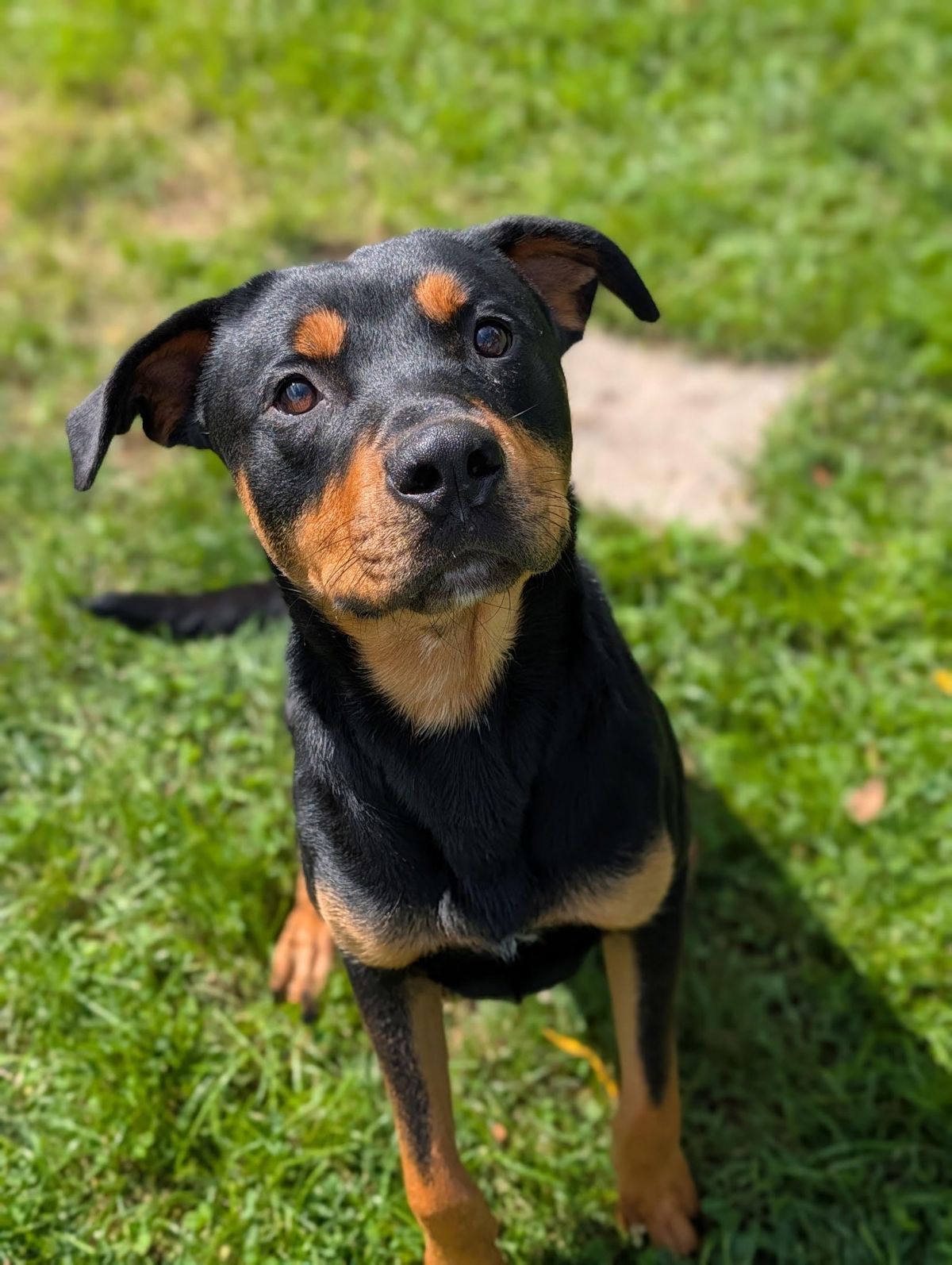
Alongside medical advice, the Cumberland Valley Animal Shelter highlighted adoptable animals currently looking for permanent homes, including a one-year-old Rottweiler mix named Logan. Logan arrived at the facility as a stray and exhibits a sweet personality, though he can display mild shyness in unfamiliar environments.
Once Logan becomes comfortable with people, his youthful and playful nature emerges. Shelter staff noted that he already understands the command to sit, though further command training remains unexplored. During a shelter evaluation, Logan showed interest in a test cat but was easily redirected; as a result, any future home with resident felines will require slow, carefully supervised introductions. Potential adopters must also arrange for all residing household members to meet Logan prior to completing an adoption.
The shelter also showcased Mordecai, an affectionate four-month-old buff and orange kitten who arrived at the facility alongside his littermates, Princess Donut, Carl, and Zev. Mordecai is described as an outgoing kitten who purrs loudly, loves human companionship, and is humorously characterized as a attentive "Manager" who will ensure his meals are served promptly.
In addition to companion animal care, Vanderau provided guidance regarding backyard wildlife encounters after a homeowner inquired about finding a nest of newborn rabbits while mowing the lawn. Vanderau praised the resident for not disturbing the nest, reiterating that uninjured young wildlife should be left alone whenever possible.
Mother rabbits instinctively know where their nests are built and will return to care for their young when humans are not around. Because mother rabbits avoid staying near the nest during the day to avoid attracting predators, humans often mistakenly believe the babies have been abandoned.
Property owners who discover rabbit nests should monitor the area from a distance to verify whether the mother returns. If the parent does not return after one to two days of confirmed absence, individuals should contact a licensed professional rather than attempting to intervene independently. Vanderau directed citizens to the Pennsylvania Association of Wildlife Rehabilitators website at www.pawr.com to find local assistance.
"Ask the Shelter" is published as a regular educational service for community pet owners. Readers seeking further advice or information about adoptable shelter pets can contact public relations coordinator Jennifer Vanderau at the Cumberland Valley Animal Shelter by emailing cvascomm@cvas-pets.org or calling 263-5791.






(0)