
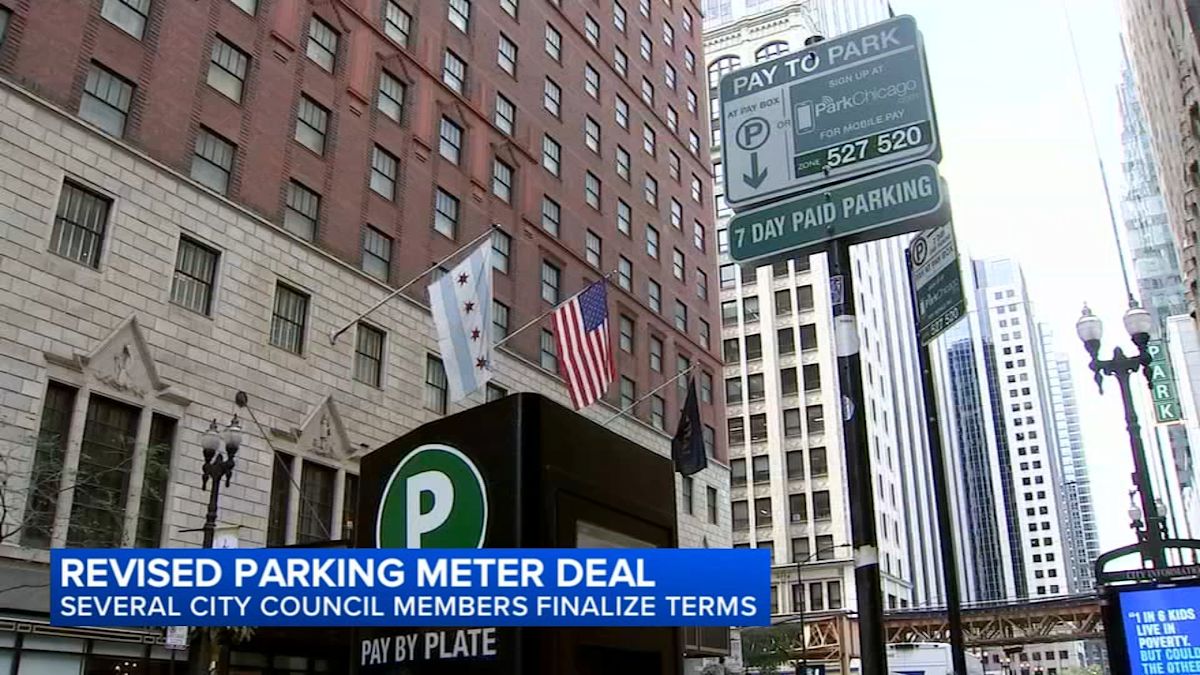
Chicago City Council members have negotiated a proposed agreement regarding the transfer of the city's parking meter system to the New York-based investment firm Stonepeak Partners. The newly formulated arrangement is designed to inject hundreds of millions of dollars into municipal accounts while overhauling a privatized setup that has drawn intense criticism from local officials and residents for nearly two decades.
Under the financial terms outlined by alderpersons, the city would receive an immediate $75 million transfer fee once the transaction is finalized. In addition to that upfront payment, the deal grants Chicago a 5% share of the parking system's annual net operating income, an ongoing revenue stream projected to yield more than $376 million over the remainder of the original operating contract.
City leaders have stipulated that all proceeds generated from the agreement, including both the initial lump-sum transfer fee and the recurring annual profit share, will be strictly dedicated toward shoring up the city's pension payments. Backers of the proposal emphasize that locking this revenue into municipal pensions will help address severe, long-standing fiscal liabilities.
The proposed transaction represents a major turning point in the contentious history of Chicago's parking infrastructure, which was originally leased away for 75 years to Chicago Parking Meters LLC in 2008. That long-term privatization has remained an enduring source of frustration inside City Hall, prompting 27th Ward Alderman Walter "Red" Burnett to label the 2008 arrangement the most toxic deal in the history of the city.
For everyday drivers, the consequences of the 2008 agreement have been felt directly at parking kiosks across the city. In the downtown Loop area, hourly parking meter rates have more than doubled since the original 75-year contract took effect, driving public dissatisfaction over escalating parking costs and the loss of direct public revenue control.
Departing from conventional municipal negotiations led by the executive branch, this agreement was crafted over several months by key City Council members working directly with the city's law department. Council members intentionally steered the bargaining process themselves to increase transparency and maintain direct legislative oversight.
Supporters noted that Mayor Brandon Johnson was not involved in the negotiating sessions. The decision to keep the talks centered in the City Council followed the mayor's unsuccessful attempt last year to buy back the parking meters, an effort that raised transparency concerns among several alderpersons and prompted lawmakers to take charge of the discussions.
Finance Committee Chair and 3rd Ward Alderman Pat Dowell highlighted the legislative branch's decisive role in taking over the matter. Dowell stated that after the mayor presented the opportunity to the council, members accepted the responsibility and did the necessary work, adding that she hopes the mayor will now actively assist in gathering the required votes for council approval.
Mayor Johnson has declined to state publicly whether he supports the negotiated package. However, he expressed gratitude and optimism regarding the council's efforts, saying he hopes lawmakers can find a pathway to deliver an improved deal for Chicago taxpayers.
Alderman Scott Waguespack of the 32nd Ward strongly endorsed the proposal, calling it a solid arrangement that positions the city well for the future. While acknowledging that the new terms cannot erase the financial missteps of the past couple of decades, Waguespack argued that the package establishes a positive path forward for the decades ahead.
A significant hurdle during earlier stages of the negotiations involved Stonepeak's corporate holdings. In response to strong objections from alderpersons, the investment firm agreed to divest Omni Air International, a company that had been utilized under the Trump administration to carry out deportation flights for U.S. Immigration and Customs Enforcement.
The concession regarding the deportation-linked carrier helped alleviate concerns among several hesitant lawmakers. Alderman Mike Rodriguez of the 22nd Ward characterized the divestment of Omni Air as a step in the right direction, though he noted that he intends to consult with his constituents before casting his vote on the final package.
Among local residents, public reaction to the proposed revenue-sharing plan remains divided. Sachin Bhalerao, a downtown resident, supported the initiative to reclaim money for municipal coffers, while Northwest Side resident Nina Arceta expressed skepticism, remarking that the recovered funds would hardly make a dent in the broader financial landscape.
An earlier vote on the ownership transfer had been delayed following pushback from aldermen who voiced sharp objections regarding the initial process. Following the months of council-led negotiations, the full City Council is expected to formally consider and vote on the revised measure as early as next week.
Supporters stressed that time is of the essence, warning that the agreement must be finalized before the end of the month. Alderman Dowell cautioned that failing to approve the deal could force the city into arbitration or major litigation, exposing Chicago to potential legal costs and liabilities running into the billions of dollars.


(0)