
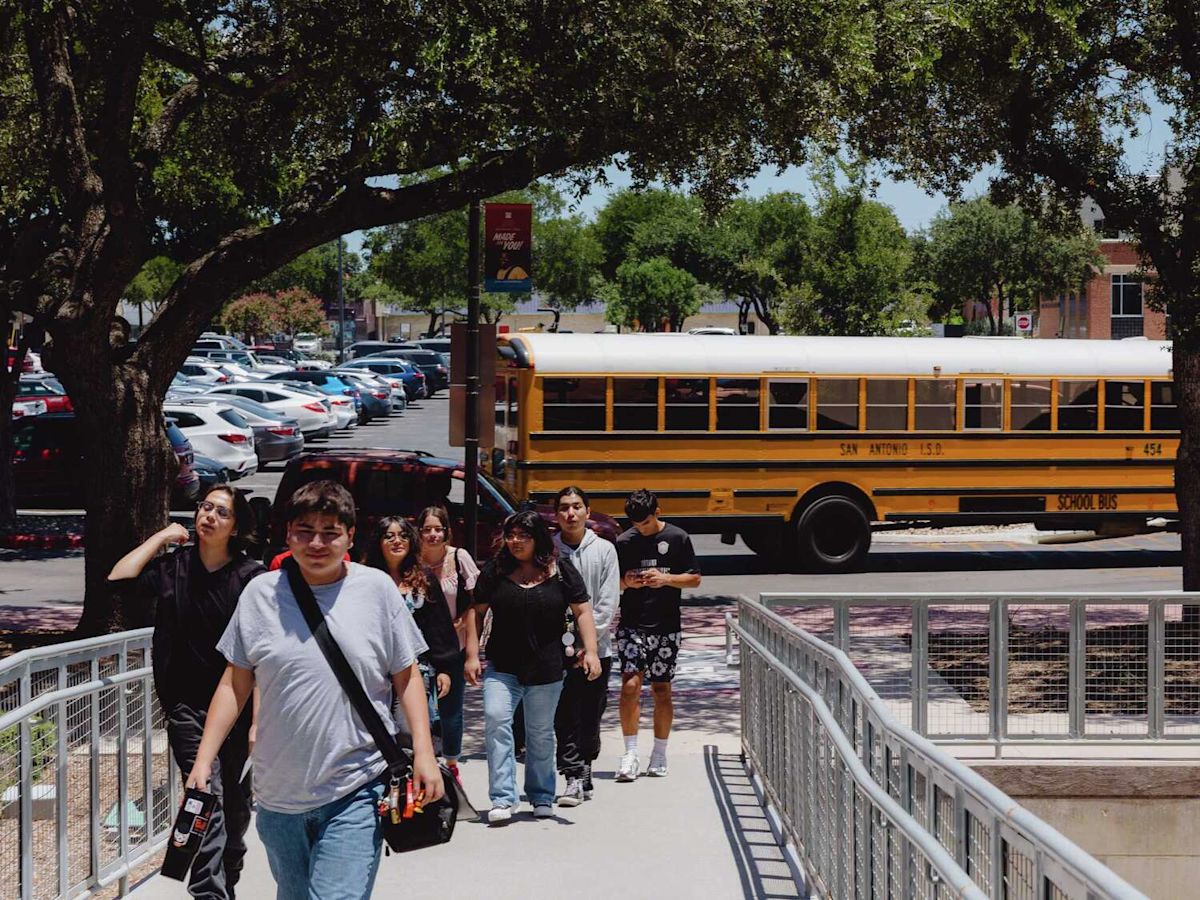
Across the San Antonio metropolitan area, public school districts are navigating uneven ground as the academic year gets underway, with several major school systems continuing to confront persistent shortages of qualified bus drivers while one nearby district manages a notable recovery. While driver deficits remain a widespread issue nationally, the regional transportation landscape is characterized by stark contrasts in staffing levels, route stability, and fiscal flexibility.
North East Independent School District has emerged as an exception to the broader trend. Transportation officials there report that the district’s bus fleet is currently in its strongest staffing position since prior to the onset of the COVID-19 pandemic. Bill Harrison, the executive director of transportation for North East ISD, noted that the transportation industry widely views 2020 as the catalyst for an enduring national driver shortage. Today, North East ISD operates more than 200 distinct routes and is seeking to fill just 12 remaining bus driver openings.
However, that relative stability has not been mirrored across the region's other major educational systems. Significant retention and hiring hurdles continue to burden three of the area's four largest school organizations: Northside Independent School District, San Antonio Independent School District, and Judson Independent School District. Transportation leaders across these systems are grappling with the logistical strain of keeping daily bus runs operational amid fluctuating labor pools.
In San Antonio ISD, the transportation department is actively seeking to fill 16 bus driver vacancies across a network that encompasses roughly 125 total bus routes. The shortfall mirrors similar challenges at Judson ISD, where district officials indicate that a total of 10 additional drivers are required before the transportation division can reach full staffing capacity.
Judson ISD’s transportation structure relies on 84 standard routes, each typically requiring a driver to make three separate trips to service designated elementary, middle, and high schools. Full operational staffing requires not only regular route operators but also a reliable pool of substitute drivers who are equipped to step in whenever primary staff members take leave or fall ill.
The staffing situation was addressed during a special board meeting on August 27, when Judson ISD Director of Transportation Earl Stewart updated district leaders on operational challenges. Trustee Stephanie Jones raised questions regarding concerns circulating within the community that the department was drastically understaffed. Stewart explained that while the district was five drivers short of its immediate baseline at the time, operational strain is primarily triggered on days when employees are absent rather than by severe daily understaffing. He added that transportation staff would concentrate on reducing bus overcrowding and securing on-time arrivals once student campus registrations settled.
At Northside ISD, the region's largest district, the labor shortage presents an even larger logistical hurdle. Tesilia Soliz, the district’s director of transportation, indicated that Northside is contending with the same nationwide hiring pressures that have hindered school transit departments everywhere. To achieve optimal staffing, Northside currently requires 35 standard bus drivers along with 40 bus assistants. Additionally, the district is searching for 15 minibus operators, positions that do not mandate a commercial driver's license.
The recruitment dilemma at Northside ISD is compounded by mounting fiscal pressures. Grappling with a $38 million budget shortfall, the school district enacted a salary freeze across the transportation department instead of offering its standard 2% to 3% annual wage enhancement. This compensation freeze has further complicated efforts to attract new applicants and retain experienced staff members, ultimately forcing administrators to adjust daily operations.
To ensure that all eligible students still receive daily transportation to and from campus, Northside ISD has had to consolidate several of its bus routes. In multiple instances, two separate routes carrying approximately 30 students each were merged into a single run. This consolidation placed buses designed to hold 50 to 70 passengers at their absolute capacity, effectively doubling the length of the runs and substantially extending the amount of time children spend traveling on the bus each morning and afternoon.
Soliz acknowledged the negative impact of these extended commutes on students and families, noting that while prolonged bus rides are far from ideal, staff members are doing everything possible given their current operational resources. District leaders are looking ahead to a November 3 ballot measure, hoping that voter approval of a proposed tax increase could deliver the necessary revenue to reinstate salary adjustments for transportation workers.
Broader financial constraints across Texas public education further limit the ability of districts to resolve staffing shortages through higher compensation. State funding mechanisms allocate approximately $1 for each mile driven by a school bus, but that reimbursement is restricted strictly to students whose homes are situated more than two miles away from their assigned campus. These limited state funds must cover a wide range of operational expenditures, including fuel costs, regular vehicle maintenance, and driver salaries and benefits.
Compounding the pay challenge is the competitive disparity between public school systems and the broader commercial driving industry. Operating standard yellow school buses requires a commercial driver's license, and while all four of San Antonio's largest school districts provide paid training for new recruits working toward their CDL credentials, district pay scales often lag behind other sectors.
Data from the Bureau of Labor Statistics highlights this compensation gap. Heavy and tractor-trailer truck drivers earn an average annual salary of $58,640, whereas school bus drivers earn an average of $49,390 per year. This nearly $10,000 difference makes it difficult for school systems to retain licensed drivers who can easily transition to higher-paying private transportation or logistics roles.
In response to ongoing shortages and daily vacancies, districts have had to deploy internal stopgap measures. In Judson ISD, for example, transportation administrators have stepped up to drive routes personally when necessary, while some active drivers have taken on extra runs to prevent service interruptions. As districts manage these daily hurdles, local transportation directors continue to balance route efficiency, tight operational budgets, and driver recruitment efforts to maintain essential student transit services.






(0)