
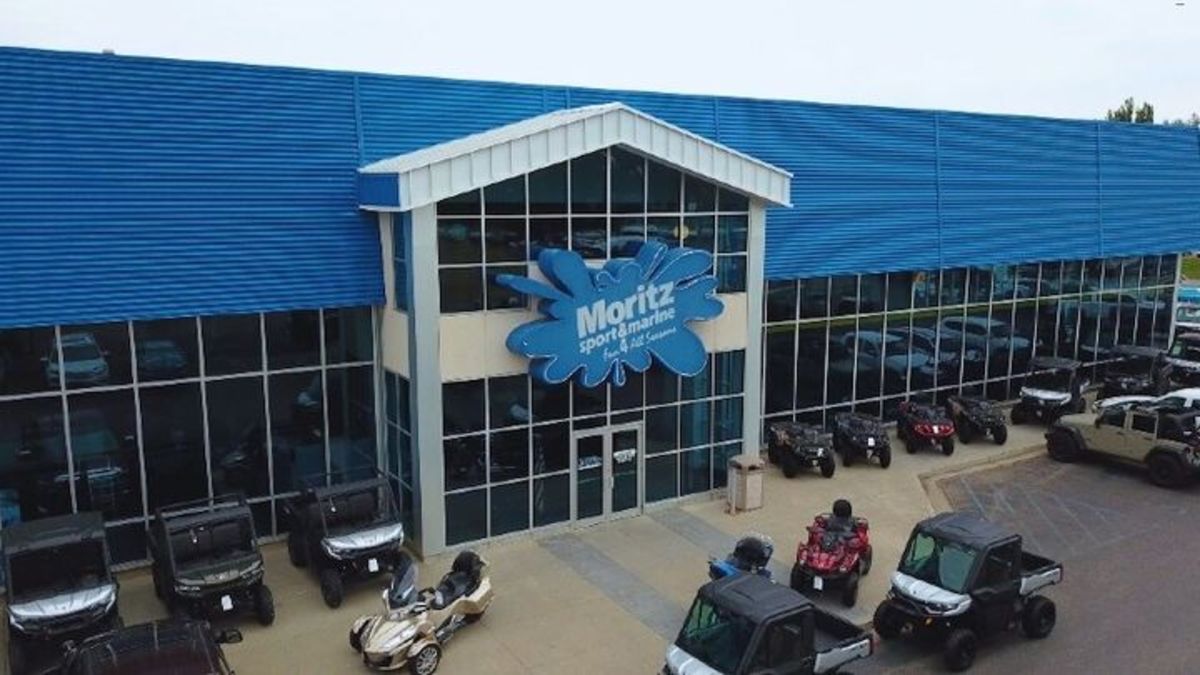
Adopting the structured sales and customer-service principles of modern car dealerships has transformed Moritz Sport & Marine into a powersports powerhouse. Operating in Bismarck, North Dakota, the dealership has turned the off-road vehicle market into a massive commercial success by implementing retailing techniques originally developed in the automotive sector.
The financial results reflect the strength of this operational philosophy. Dealer Eric Moritz reports that the Bismarck location sells approximately 300 new side-by-side machines each year, generating roughly $10 million in annual revenue from new side-by-side transactions alone. This high-volume turnover is supplemented by a robust pre-owned department, which moves between 200 and 300 used all-terrain vehicles (ATVs) and utility task vehicles (UTVs) on an annual basis.
The dealership's automotive foundation stems directly from its ownership history. Nearly thirty years ago, Moritz and his father utilized their professional background in automotive retailing to acquire a Bismarck Chevrolet franchise. In 1997, they converted that automotive property into Moritz Sport & Marine, establishing a business model deeply influenced by the systems of conventional car sales.
This automotive orientation was further solidified during a major ownership transition in 2020. Following the retirement of Moritz's father, equity shares in the dealership were acquired by fellow local car dealership owners. This influx of automotive industry colleagues ensured that the business would maintain and deepen its car-centric approach to management and showroom operations.
From Moritz's perspective, the broader powersports market has historically lagged behind the operational standards of traditional car retailers. He observes that the powersports sector trails the auto industry by roughly five years, both in terms of certain technological adoptions and, more significantly, in the fundamental manner in which day-to-day business operations are structured and executed.
The clearest manifestation of this philosophy is visible in the dealership’s customer buying process. Rather than separating sales, financing, and service into fragmented interactions, Moritz Sport & Marine utilizes a comprehensive, full-service sales desk. During a single sitting, prospective buyers sit down with the sales manager, finance representatives, service personnel, and dedicated accessories specialists.
This integrated consultation process is designed to deliver a complete, seamless ownership package right off the showroom floor. Moritz explains that the primary objective is to allow customers to leave the dealership with a fully equipped vehicle featuring every accessory they desire, establishing an ongoing, long-term relationship with the store in the same manner that premier automotive dealers cultivate repeat clientele.
On the product side, the dealership's dramatic revenue expansion has been propelled by utility-focused machines, most notably the Can-Am Defender. Outside of the marine segment, full-cab configurations of the Defender have emerged as the primary revenue driver for the entire Bismarck operation, transforming the scale of the company's off-road sales.
The scale of this shift becomes evident when comparing current performance to historical figures. Before the Can-Am Defender was introduced roughly a decade ago, the store was selling only 10 to 15 new side-by-side units annually. The surging popularity of the platform quickly redefined demand and fundamentally elevated the dealership's sales trajectory.
To support this rapid surge in volume and maintain ongoing vehicle care, the dealership has made substantial investments in its back-of-house operations. The technical service staff assigned specifically to Can-Am products has doubled over the past few years, expanding to a roster of 12 dedicated technicians focused on maintaining and accessorizing these machines.
Customer preference has increasingly shifted toward fully enclosed cab models that offer interior comforts akin to passenger trucks. Equipped with integrated heating and air-conditioning systems, these machines appeal directly to consumers looking for dependable utility vehicles that can function comfortably in all weather conditions.
State vehicle regulations in North Dakota have further amplified consumer interest in versatile, road-ready side-by-sides. State law allows off-highway vehicles to operate on paved roads outside of major highways. By outfitting the machines with street-legal conversion kits—which add turn signals, a horn, rearview mirrors, and a state license plate—owners are legally permitted to drive them on roadways statewide as everyday transport.
Despite consistent consumer demand, rising retail prices remain a central concern for the dealership. With advanced options, enclosed cabs, and accessory packages added, some top-tier side-by-side models are now approaching the $50,000 threshold, presenting potential affordability challenges for consumers.
At the same time, Moritz is maintaining a cautious, watchful approach toward new propulsion technologies entering the market. While manufacturers continue to explore the alternative energy space—highlighted by the debut of Can-Am's Outlander Electric this past summer—the Bismarck dealership is holding off on adopting electric off-road inventory. Moritz points to operational hurdles such as limited vehicle driving range, underdeveloped charging infrastructure, high equipment tooling costs, and the substantial investment required for specialized technician training as the primary reasons for waiting.





(0)